01
Every solo mode and what it actually rewards
Arcade, Zen, Classic, Minigame Shuffle and the rhythm mode Fruitar Hero. What each one measures, and which one to open if you want to improve rather than unwind.
Krenvoldis breaks down how a fruit-slicing run is actually scored: what counts as a combo, when a blitz is worth chasing, how criticals land, and which of the five solo modes rewards which habit. Written for players on Google Play and the App Store in Australia.
Where to play
We link to the publisher's own listings and nowhere else. Krenvoldis does not host game files, sell in-game items or offer accounts.
Fruit Ninja 2
Halfbrick Studios · free to play with optional in-app purchases
Age rating, price and availability are shown on the store page for your region at the next step.

Guides
Each guide is checked against the game before publication and carries the date it was last verified.
01
Arcade, Zen, Classic, Minigame Shuffle and the rhythm mode Fruitar Hero. What each one measures, and which one to open if you want to improve rather than unwind.
02
Why three fruit in one swipe is worth more than three separate swipes, when to hold a slice back, and what a critical adds to a run.
03
How the armoury fits together, why loadout choice matters more in some modes than others, and how to test whether a blade suits your swipe style.
04
Three chapters, four minigames each, three lives. How the quotas work, what a surviving life is worth at the end, and where most runs actually end.
Quick reference
Open a mode for the short version. Everything below is visible whether or not JavaScript is running; the two buttons simply open or close all of them at once.
A timed sprint: slice as much as possible before the clock runs out, while avoiding bombs. Special fruit and the power-ups you bring into the run are what separate an average score from a good one.
The original formula: keep slicing, drop nothing, and never touch a bomb. One mistake ends the run, which makes it the honest test of technique.
No bombs, no penalties, just a time limit. Useful for practising swipe paths and for warming up before an Arcade run.
An event format built from short minigames grouped into chapters, each with its own quota and a shared pool of lives. Covered in full in our dedicated guide.
A rhythm-slicing mode: cuts are timed to the music rather than to whatever appears on screen. It rewards a completely different reflex from Arcade and is worth playing even if you never chase its leaderboard.
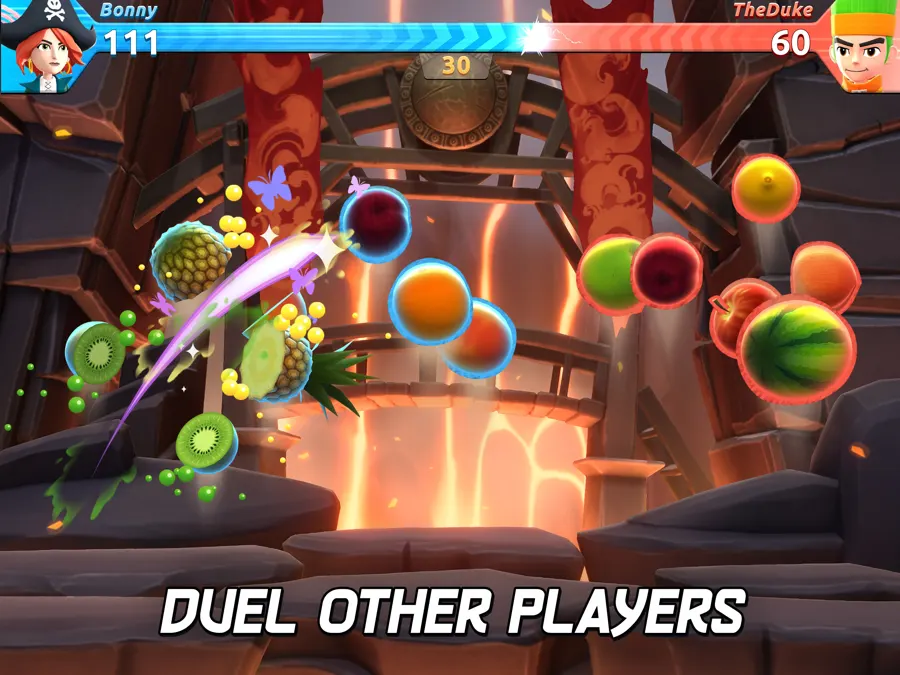
The publisher's listing also describes real-time multiplayer against other players. Matchmaking and seasonal rules change often, so we describe only what is stable: the slicing itself is scored the same way as in solo play, so the habits from Arcade transfer directly.
Written to order
Everything above stays free to read. If you want something written around your own play instead, there are three options, ordered by email — no checkout, no subscription, no in-game items.
Two-week practice schedule built from the drills in our scoring guide.
AU$8 · Request this
You describe one run that keeps failing; we write back with three corrections.
AU$15 · Request this
Four weeks with two reviews built in, for a specific event or target.
AU$25 · Request this
No payment is processed on this site. The request opens an email; price and delivery are confirmed in our reply.
FAQ
No. Fruit Ninja 2 is a separate release by the same studio, with its own modes, arenas and progression. Guides written for the original will not always match what you see on screen.
No, and we could not if we wanted to. Anything purchasable in the game is bought inside the game, through the store on your device, and we have no part in that transaction.
Writing, and nothing else: a schedule or a review of your own run, delivered by email as a document. The guides on this site remain free either way, no payment is taken on the website, and price and delivery are confirmed by reply before anything is due. Details are on the practice plans page.
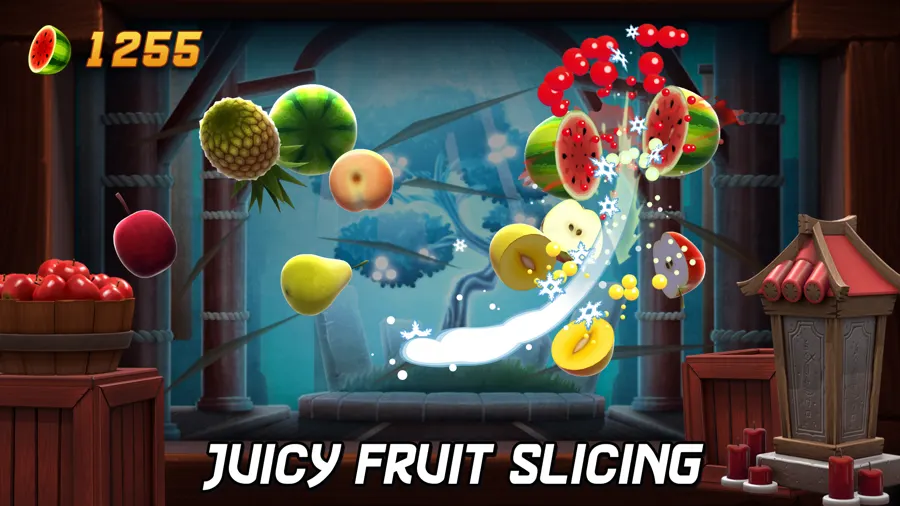
From the publisher's own public store listings, reproduced at reduced size to illustrate what is being described. See the Legal Notice for the full statement.
Every guide shows the date it was last checked. Seasonal events change frequently, so anything event-specific is described in general terms that survive an update, and the rest is re-verified monthly.
Editorial
Krenvoldis is maintained by its operator in Australia. Nothing is published from memory: each claim is either verified in a run or taken directly from the publisher's own description, and the two are never mixed silently.
If a mechanic behaves differently on your build, write to [email protected]. Corrections are applied to the page and the check date is moved forward so readers can see it happened.
Scoring claims are tested in a live run before they go on the site.
Mode names and feature lists follow the publisher's store listing, not community shorthand.
Every guide carries a visible check date, and old versions are corrected rather than deleted.